đŸ›ī¸ Licensed & Registered — Trade Licence 134585 (Ajman) 🕒 Open Daily 8:00 AM – 6:00 PM 📞 +971 50 988 6591
đŸ§Ŋ AC Coil Cleaning

AC Coil Cleaning in Dubai — Including the Blower Wheel

Most AC cleaning offers wash the coil and stop. The blower wheel behind it loses more airflow than the coil does, and cleaning it properly is where the real improvement comes from.

⚡ Same-Day Visits đŸ›Ąī¸ 90-Day Warranty 💲 Quote Before Any Work đŸ›ī¸ Licence No. 134585
â„šī¸

We are an independent repair company — not an authorized service center of any air conditioning brand. Brand names on this page are used only to identify the systems we service, and all trademarks remain the property of their owners.

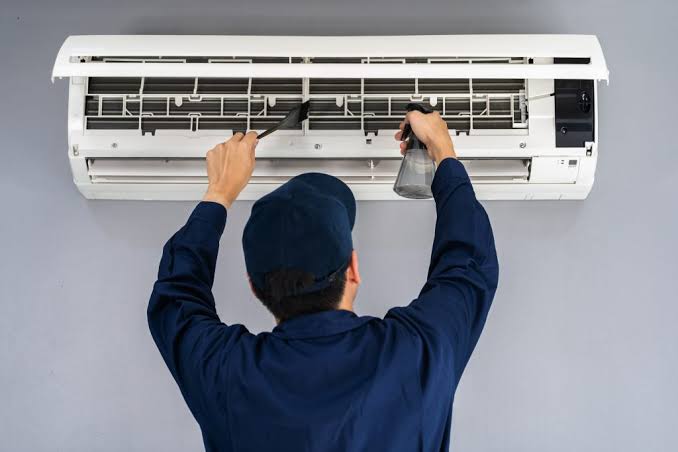
Evaporator coil chemical wash in progress on an indoor air conditioning unit in Dubai
What Gets Missed

The Coil Is Half the Job — the Blower Is the Other Half

AC coil cleaning in Dubai is widely offered and inconsistently delivered, and the difference nearly always comes down to one component: the blower wheel.

Your indoor unit has two things that must stay clean to move cooled air into your room. The coil is the finned block that gets cold, and dust that gets past the filters settles across its face until it forms a felted mat that air cannot pass through. That much is well understood.

Behind it sits the blower wheel — a drum of many small curved blades, each shaped to push air. When those blades pick up a coating of fine grime, their profile changes and they stop moving air efficiently. A caked wheel loses more airflow than a dirty coil does.

It is also hidden inside the assembly and fiddly to clean properly, which is precisely why so many cleaning offers leave it alone. That is how a system gets "cleaned" and still feels weak afterwards, and why the owner concludes the unit is simply old.

A proper clean addresses the coil, the blower wheel, the drain pan and the condensate line, and then proves the result by measurement rather than assertion.
The Method

What a Proper Indoor Coil Clean Involves

Six steps. The order matters, and so does what we deliberately avoid.

1ī¸âƒŖ

Isolate and Protect

Power off, and the control board and wiring protected before any liquid is introduced. Wetting a board is how a clean becomes a repair.

2ī¸âƒŖ

Open Up and Contain

Casing and filters removed, and the unit bagged or trayed so wash water is captured rather than running into your ceiling or down the wall.

3ī¸âƒŖ

Foam, Dwell, Rinse Low

Non-corrosive foaming cleaner suited to the coil, allowed to dwell, then rinsed at low pressure. High pressure folds fins permanently.

4ī¸âƒŖ

Clean the Blower Wheel

The step that is usually skipped. Blades cleaned so they regain their profile and move air the way they were designed to.

5ī¸âƒŖ

Pan and Line

Drain pan cleaned and sanitised, condensate line flushed so water actually leaves. This is what removes the source of musty odours.

6ī¸âƒŖ

Measure and Verify

Airflow and temperature split checked before and after, so the improvement is demonstrated rather than claimed.

Measuring temperature split across a cleaned evaporator coil to verify improvement
Clean Before Gas

The Cheapest Thing That Restores Cooling

There is a commercial point here that most companies have no incentive to make, so we will make it plainly: a coil clean should be attempted before anyone discusses refrigerant.

A coil blocked with dust and a blower that cannot move air produce exactly the complaint people describe as "needs gas" — weak cooling, long run times, a room that will not come down to temperature. The refrigerant circuit may be entirely healthy. And a sealed system does not consume refrigerant anyway, so if the charge really were low, there would be a leak to find rather than a top-up to sell.

Cleaning is inexpensive, non-invasive and fast. If it restores the system, you have solved the problem at the lowest possible cost. If it does not, you have eliminated the most common cause and made every subsequent measurement more reliable — because you cannot properly assess a refrigerant charge on a system with restricted airflow anyway.

That is why we measure airflow and the temperature difference across the coil before and after. If the numbers move, the clean was the answer. If they do not, we say so and continue diagnosing rather than declaring victory and leaving.

Odours

Why a Clean Fixes the Musty Smell and Sprays Do Not

The most common secondary reason people book this job, and the mechanism behind it.

The coil is wet by design

Cooling air means condensing moisture out of it. The coil is meant to be wet — that is how dehumidification works.

Dubai humidity keeps it damp

High ambient humidity means high condensate volume and surfaces that rarely dry out fully between cycles.

Biofilm establishes

Damp surfaces plus trapped dust give biological growth everything it needs, on the coil face, in the pan and along the drain line.

You smell it when air passes

The odour is that growth being carried into the room, which is why it is strongest on start-up and after the system has been idle.

Sprays treat the air, not the source

Deodorising the airflow masks it for a day or two. The growth is still there and returns immediately.

Cleaning removes the source

Wash the coil, clean the blower, sanitise the pan and flush the line, and the thing producing the smell is gone rather than covered up.

Both System Types

Indoor Coil Cleaning On Your Kind of System

This job applies equally to both Dubai cooling technologies — it is the indoor unit either way.

Split and ducted indoor units

  • Evaporator coil chemical wash and controlled rinse
  • Blower wheel cleaned blade by blade
  • Drain pan cleaned and sanitised, line flushed
  • Filters washed or replaced
  • Ducted units: accessible duct and grille condition checked
  • Airflow and temperature split measured before and after

Chilled-water fan coil units

  • Water coil face cleaned — same principle, no refrigerant involved
  • Blower wheel cleaned, which matters just as much here
  • Drain pan and line, the dominant fault source in towers
  • Filters and return grille condition
  • Ceiling access arranged with building management where needed

Cleaning an indoor unit never involves refrigerant on either system type, so nothing about this job should lead to a gas quotation.

Related Pages

More AC Repair Help

Back to the main service page, or to the outdoor equivalent of this job.

Showing a code rather than an obvious fault? Start here. Decode Your Error Code →

â„ī¸

Main Service Page

Our full AC service — split, window, ducted and chilled-water systems across all four emirates.

AC Repair & Maintenance →

đŸ§¯

Condenser Coil Cleaning

The outdoor half of the job — a different coil, different method, and it protects the compressor.

Condenser Cleaning →

🌀

AC Low Airflow

Where a caked blower wheel does its damage, and how airflow is measured properly.

Low Airflow →

🧊

AC Freezing Up

Restricted airflow from a dirty coil is a leading cause of an iced evaporator.

Freezing Up →

đŸŒĄī¸

AC Not Cooling

Why cleaning belongs at the top of the ranked cause list, ahead of refrigerant.

AC Not Cooling →

đŸĸ

FCU Not Cooling

The chilled-water version, where coil and filter condition matter just as much.

FCU Not Cooling →

FAQ

AC Coil Cleaning — Your Questions

What is the difference between a coil clean and a normal AC service?

A routine service typically washes or replaces the filters, checks operation and moves on. A proper coil clean goes considerably further: the casing comes off, the coil face gets a chemical wash and a controlled rinse, the blower wheel is cleaned blade by blade, the drain pan is cleaned and sanitised, and the condensate line is flushed. The distinction matters because filters only catch some of what passes through. What gets past them settles on the coil and the blower, and no amount of filter changing removes it once it is there.

Why does the blower wheel matter so much?

Because it is the part that actually moves your air, and it is the part almost nobody cleans. A blower wheel is a drum of many small curved blades, and each blade is shaped to push air. Over years those blades accumulate a coating of fine grime that changes their profile, and a wheel that is no longer the right shape cannot move air properly. In practice a caked wheel loses more airflow than a dirty coil does. Because it sits behind the coil inside the assembly, general cleaning offers routinely skip it, which is why a system can be "cleaned" and still feel weak.

Will cleaning the coil fix my cooling problem?

Often, and it is genuinely the first thing worth trying before anyone discusses refrigerant. A coil felted over with dust cannot transfer heat properly, and restricted airflow makes it worse, so the room stops keeping up. Cleaning restores both. That said, we measure rather than assume: if we clean the system and the numbers do not improve, we will tell you the fault lies elsewhere rather than pretending the clean solved it. Cleaning is the cheapest intervention that restores cooling, which is exactly why it should come first.

My AC smells musty. Is that the coil?

Usually the drain pan and the coil together. A cooling coil is wet by design, and in Dubai humidity it stays damp for long periods. That creates ideal conditions for biofilm to establish on the coil face, in the pan and along the drain line, and what you smell is that growth being blown into the room. Spraying the vents treats the symptom for a day. Cleaning and sanitising the pan, washing the coil, cleaning the blower and flushing the line removes what is producing the odour in the first place.

How often should coils be cleaned in Dubai?

More often than a manufacturer schedule written for a temperate climate assumes. Between construction dust, fine desert sand, long run hours across a five-month summer and high humidity keeping surfaces damp, indoor coils here load faster than the same equipment would elsewhere. Rather than name a fixed interval that may not fit your property, the practical test is condition: if airflow has noticeably weakened, if there is any musty smell on start-up, or if you cannot see light through the filters, it is due.

Can high-pressure washing damage the coil?

Yes, and it is one of the more common forms of damage we find. Coil fins are thin aluminium and fold over easily. Once folded, they permanently obstruct the airflow path, so a coil that has been pressure-washed can end up passing less air after cleaning than before. We use a non-corrosive foaming cleaner appropriate to the coil, allow it to dwell, then rinse at low pressure. On aluminium micro-channel coils in particular, aggressive acid cleaners are inappropriate, and no coil clean should ever involve wetting the control board.

Weak, Smelly Air? Start With a Proper Clean.

Coil, blower wheel, drain pan and line — with airflow measured before and after so you can see it worked. Price agreed before any work.

Book a Coil Clean

Tell Us the System and the Symptom

Wall split, ducted or a ceiling fan coil unit, and whether the issue is weak air, poor cooling or a musty smell.

📞 Phone

+971 50 988 6591
Daily, 8:00 AM – 6:00 PM

đŸ’Ŧ WhatsApp

+971 50 988 6591
Send a photo of the indoor unit with the filters out

âœ‰ī¸ Email

info@fixmyacdubai.ae

Request an AC Coil Clean

Opens WhatsApp with your request pre-filled — nothing is stored on this site.

Your details go directly to our team on WhatsApp. See our Privacy Policy.

Call Now+971 50 988 6591 WhatsAppInstant chat reply